
The steering wheel, a seemingly simple component, has undergone a remarkable transformation, evolving from rudimentary levers to sophisticated control centers packed with advanced technology. Its journey mirrors the broader advancements in automotive engineering, reflecting humanity’s relentless pursuit of better vehicle control, safety, and driver experience. This exploration delves into the steering wheel’s fascinating evolution, examining its impact on vehicular control throughout history, from its humble beginnings to its current state.
We’ll trace the earliest steering mechanisms, compare them to today’s designs, and showcase the milestones that have shaped this critical interface. Furthermore, we’ll examine the crucial role of ergonomics and design, explore the integration of cutting-edge technologies, and highlight the paramount importance of safety features in steering wheel construction. Finally, we’ll navigate the world of customization, offering a glimpse into how drivers can personalize their driving experience through material selection, shape variations, and other bespoke modifications.
The evolution of the steering wheel has dramatically changed vehicular control throughout history.
The steering wheel, a seemingly simple component of a vehicle, represents a pivotal innovation in the history of transportation. Its evolution reflects advancements in engineering, materials science, and our understanding of human-machine interfaces. From rudimentary mechanisms that demanded considerable physical effort to the sophisticated systems of today, the steering wheel’s transformation has significantly improved vehicle control, safety, and the overall driving experience.
Early forms of steering mechanisms, compared to modern steering wheels, were considerably more basic and less efficient. These systems often required significant physical exertion from the driver, and the materials used were often chosen for their availability rather than their performance or comfort.
Early Steering Mechanisms vs. Modern Designs
The earliest forms of vehicular steering, predating the familiar steering wheel, employed tiller-based systems. These systems, resembling a ship’s helm, were direct mechanical linkages connecting the steering mechanism to the front wheels. Functionality was straightforward: turning the tiller directly rotated the wheels. These early systems were prevalent in early automobiles and carts, requiring considerable physical strength to maneuver, especially at low speeds or when the vehicle was laden. The materials used were typically wood, often oak or ash, for the tiller itself, with metal components for the linkages. These materials were chosen for their strength and availability, although they offered little in the way of shock absorption or ergonomic design.
Modern steering wheels, by contrast, are complex systems designed for ease of use, comfort, and safety. They are typically circular or D-shaped and feature a wide array of controls, including buttons for audio, cruise control, and other vehicle functions. The core of a modern steering system is a rack-and-pinion mechanism, often assisted by power steering. This significantly reduces the physical effort required to steer. The materials used are diverse, ranging from high-strength plastics and lightweight metals (such as aluminum and magnesium alloys) to leather and synthetic materials for the wheel’s grip. These materials are selected for their durability, weight, and ergonomic properties. The incorporation of airbags and other safety features further distinguishes modern designs. Furthermore, modern steering wheels often integrate advanced features like haptic feedback and driver-assistance systems, further enhancing the driving experience.
Significant Milestones in Steering Wheel Development
The development of the steering wheel has been marked by significant milestones. The following table highlights key innovations:
| Year | Milestone | Description |
|---|---|---|
| Early 1800s | Tiller Steering | Early carriages and some automobiles utilized tiller-based steering, similar to ship helms. This was a direct mechanical linkage to the front wheels, demanding significant physical effort. |
| 1894 | The First Steering Wheel (Modern Form) | Alfred Vacheron is often credited with inventing the first modern steering wheel, replacing the tiller with a circular design. This innovation was introduced in the Panhard et Levassor vehicles. |
| Early 1900s | Adoption of the Steering Wheel | The steering wheel rapidly replaced tiller steering in automobiles, improving ease of use and control. |
| 1920s-1930s | Power Steering Introduction | Early experiments with power steering systems began. These systems used hydraulic assistance to reduce the physical effort required to steer. |
| 1950s | Widespread Power Steering | Power steering became increasingly common, especially in larger vehicles, significantly enhancing maneuverability and driver comfort. |
| 1980s-1990s | Tilt and Telescoping Steering Wheels | The introduction of adjustable steering columns (tilt and telescoping) improved driver ergonomics, allowing for a more customized driving position. |
| 2000s-Present | Advanced Steering Systems | The integration of electronic power steering, variable ratio steering, and other advanced features, along with the incorporation of controls for infotainment and driver-assistance systems. |
Cultural and Ergonomic Influences on Steering Wheel Design
The aesthetics and ergonomics of steering wheels have been shaped by various cultural and technological influences. The materials used have played a significant role in influencing driver experience. Consider these examples:
- Early Automobiles: Early steering wheels were often made of wood, reflecting the materials available at the time. The simple designs prioritized functionality over aesthetics or comfort. The raw wood feel gave a direct connection to the vehicle.
- Luxury Vehicles: The use of leather, often hand-stitched, and exotic wood inlays, became common in luxury vehicles. These materials enhanced the tactile feel and added to the perceived value and comfort.
- Sports Cars: Smaller-diameter steering wheels, often with thicker rims and enhanced grip materials, became standard in sports cars, designed to improve responsiveness and driver feedback.
- Modern Vehicles: Modern steering wheels incorporate a variety of materials, including leather, synthetic materials, and various types of plastics. The integration of buttons and controls for infotainment, cruise control, and other functions has become commonplace. The emphasis is on ergonomics, safety, and a user-friendly interface.
Ergonomics and design play crucial roles in steering wheel functionality and driver comfort.
The evolution of the steering wheel has dramatically changed vehicular control throughout history. Beyond simply directing a vehicle, modern steering wheels are complex interfaces, integrating controls for various vehicle functions. Their design and ergonomic considerations are paramount, directly impacting driver comfort, safety, and overall driving experience. A poorly designed steering wheel can lead to fatigue, reduced reaction times, and increased risk of accidents.
Principles of Ergonomic Design for Steering Wheels
Ergonomic design focuses on optimizing products for human use, aiming to enhance comfort, efficiency, and safety. For steering wheels, this translates to careful consideration of grip, reach, and button placement.
The primary function of the steering wheel is to provide a secure and comfortable grip for the driver. This is achieved through several design elements. The circumference of the wheel should be appropriate for the average hand size, typically ranging from 14 to 15 inches in diameter for passenger vehicles. The shape of the rim is also critical; a slightly oval or D-shaped design can provide better grip and allow for more legroom. The grip material, such as leather or textured plastic, must provide sufficient friction to prevent slippage, even in sweaty or wet conditions. The thickness of the rim should be substantial enough to fill the hand comfortably without causing strain.
The optimal grip design distributes pressure evenly across the palm and fingers, minimizing fatigue during extended driving periods.
Reach, or the distance between the driver and the steering wheel, is another critical ergonomic factor. The steering wheel should be adjustable, both telescopically (in and out) and for tilt, to accommodate drivers of varying heights and arm lengths. This adjustability allows the driver to find a comfortable and safe driving position. The driver should be able to comfortably reach all controls on the steering wheel without having to remove their hands from the wheel or stretch excessively.
A proper reach ensures that the driver can maintain a secure grip on the wheel while still being able to easily access and operate the various controls.
This is especially important for safety systems like the horn or cruise control.
Button placement and functionality are also integral to ergonomic design. Frequently used controls, such as volume adjustment, phone controls, and cruise control activation, should be easily accessible and intuitively located. Buttons should be clearly labeled, tactilely distinct, and offer positive feedback (e.g., a click) when pressed. The layout should be logical and avoid overcrowding, which can lead to confusion and driver distraction. Backlighting of the buttons is essential for visibility in low-light conditions. The size and shape of the buttons should be appropriate for easy operation without requiring the driver to take their eyes off the road.
The goal is to minimize driver distraction and allow for quick and accurate operation of all controls.
Consider the trend towards integrating more controls into the steering wheel, such as infotainment system controls, driver-assistance system settings, and even gear-shifting paddles. This trend necessitates even more careful ergonomic consideration to avoid overwhelming the driver.
Common Design Flaws and Solutions
Poorly designed steering wheels can compromise driver safety and comfort. Several common design flaws can lead to negative consequences.
* Incorrect Grip Size or Shape: A wheel that is too thin or too thick can lead to hand fatigue and discomfort, especially during long drives. A round wheel may not provide the same level of grip as an oval or D-shaped wheel.
* Solution: Offer a range of wheel sizes and shapes to accommodate different hand sizes and preferences. Consider incorporating ergonomic grips and textures.
* Poor Reach Adjustment: Limited or no adjustability can force drivers to adopt uncomfortable driving positions, leading to back pain and reduced control.
* Solution: Provide a wide range of telescopic and tilt adjustments to accommodate a variety of driver sizes and preferences. Ensure the adjustment mechanisms are easy to operate.
* Poor Button Placement and Usability: Cluttered or poorly placed buttons can be difficult to locate and operate while driving, leading to distraction and potential safety hazards. Buttons that lack tactile feedback can also be problematic.
* Solution: Use a logical and intuitive button layout, grouping related controls together. Ensure buttons are clearly labeled, easily distinguishable, and provide positive tactile feedback. Consider using haptic feedback or other technologies to enhance usability.
* Lack of Grip Material or Poor Quality Material: A steering wheel with a slippery or uncomfortable grip can lead to reduced control and fatigue.
* Solution: Use high-quality grip materials, such as leather or textured plastics, that provide good friction and a comfortable feel. Ensure the material is durable and resistant to wear and tear.
Materials and Their Impact on Steering Wheel Performance
The choice of materials significantly influences the feel, performance, and aesthetics of a steering wheel. Different materials offer unique advantages and disadvantages.
* Leather:
* Advantages: Provides a luxurious feel, excellent grip, and is generally comfortable to the touch. Leather can also be aesthetically pleasing and can be customized with different stitching patterns. It is also relatively durable and can withstand regular use.
* Disadvantages: Can become slippery when wet or sweaty. Requires regular maintenance and cleaning to prevent cracking and wear. Can be more expensive than other materials.
* Wood:
* Advantages: Offers a classic and elegant appearance, often associated with luxury vehicles. Provides a unique feel and can be very comfortable.
* Disadvantages: Can be slippery if not properly treated. Susceptible to damage from moisture and temperature fluctuations. May not be as durable as other materials.
* Carbon Fiber:
* Advantages: Lightweight and strong, often used in performance vehicles. Provides a sporty and modern aesthetic. Offers good grip.
* Disadvantages: Can be expensive. May not be as comfortable as leather or wood for extended use. Can transmit more vibrations than other materials.
The choice of material often reflects the target market and the vehicle’s intended use. High-performance vehicles often use carbon fiber for its weight-saving properties, while luxury vehicles often feature leather or wood for their premium feel.
Advanced technologies are constantly being integrated into modern steering wheels for enhanced vehicle control.
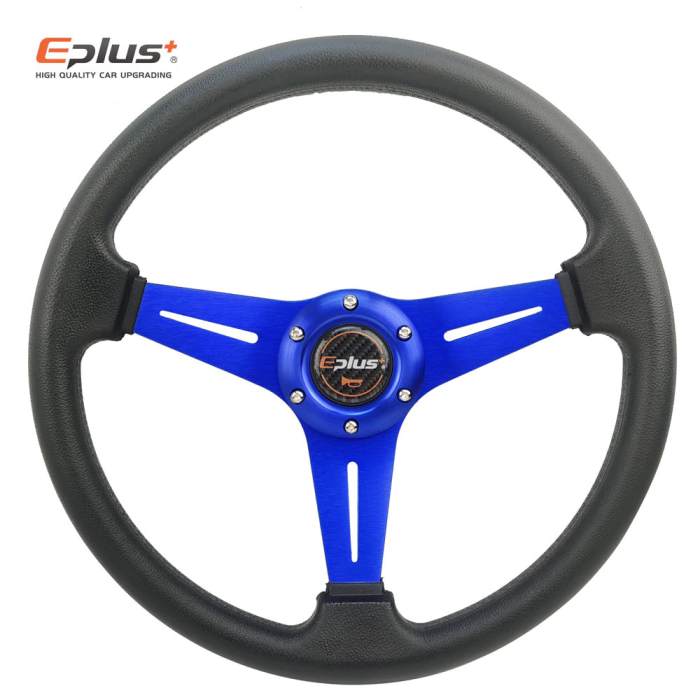
The evolution of the steering wheel has dramatically changed vehicular control throughout history, and the integration of advanced technologies continues to redefine the driver experience. Ergonomics and design play crucial roles in steering wheel functionality and driver comfort. This ongoing innovation aims to improve safety, convenience, and the overall interaction between the driver and the vehicle.
Integrated Functions and Features
Modern steering wheels are no longer simple devices for directional control. They have evolved into sophisticated interfaces that integrate a multitude of functions, streamlining vehicle operation and enhancing the driving experience. This integration allows drivers to control various vehicle systems without taking their hands off the wheel or their eyes off the road.
- Paddle Shifters: Paddle shifters, typically located behind the steering wheel, provide drivers with manual control over the transmission. They allow for quick gear changes, offering a more engaging driving experience, especially in performance vehicles. This system is particularly advantageous during overtaking maneuvers or when navigating winding roads, allowing for immediate control over engine speed and power delivery.
- Infotainment Controls: Steering wheel-mounted controls for infotainment systems have become commonplace. These controls enable drivers to adjust audio volume, change radio stations, select media, and manage phone calls without diverting their attention. The integration of voice control further enhances this functionality, allowing for hands-free operation of various infotainment features.
- Adaptive Cruise Control (ACC) Buttons: ACC systems, which maintain a set speed and distance from the vehicle ahead, are frequently controlled through buttons on the steering wheel. These controls allow drivers to activate, adjust, and deactivate the ACC system, enhancing safety and reducing driver fatigue, particularly on long journeys.
- Other Controls: Beyond the core functions, modern steering wheels often incorporate controls for other vehicle systems, such as lane-keeping assist, blind-spot monitoring, and even vehicle settings adjustments. The specific features vary depending on the vehicle model and manufacturer, but the trend is towards consolidating more vehicle controls within the steering wheel for ease of use and enhanced safety.
Haptic Feedback Technology
Haptic feedback technology is transforming the way drivers interact with their vehicles, providing more intuitive control and information through tactile sensations. This technology enhances the driver’s awareness of vehicle status and road conditions, improving safety and the overall driving experience.
Haptic feedback can be implemented in several ways within the steering wheel:
- Vibratory Alerts: The steering wheel can vibrate to alert the driver of potential hazards, such as lane departures or impending collisions. For instance, if a vehicle drifts out of its lane without signaling, the steering wheel may vibrate to alert the driver to correct their course.
- Force Feedback: Force feedback systems can simulate the feel of the road, providing drivers with a more realistic sense of vehicle control. This technology can vary the steering wheel’s resistance based on road conditions, such as the surface or the presence of crosswinds, giving the driver a more nuanced understanding of the vehicle’s dynamics.
- Touch-Sensitive Surfaces: Integrating touch-sensitive surfaces on the steering wheel allows for intuitive control of various vehicle functions. Drivers can swipe or tap these surfaces to adjust settings, such as audio volume or climate control, with haptic feedback providing confirmation of their actions.
- Example: In some premium vehicles, the steering wheel uses haptic feedback to confirm the selection of infotainment options. A slight vibration confirms the driver’s selection, minimizing the need to look away from the road.
Steering Wheel Technology Comparison and Autonomous Driving
The development of steering wheel technologies is closely linked to advancements in autonomous driving. Various systems are contributing to the goal of self-driving vehicles, each offering different levels of control and automation. The following table provides a comparison of these technologies:
| Technology | Description | Autonomous Driving Contribution | Examples |
|---|---|---|---|
| Traditional Steering | Mechanical connection between the steering wheel and the wheels. | Limited; primarily provides manual control. | Most older vehicles; basic steering systems. |
| Electric Power Steering (EPS) | Uses an electric motor to assist steering, offering variable assistance based on speed and driving conditions. | Enhances driver assistance systems like lane keeping and parking assist. | Common in modern vehicles; provides improved fuel efficiency. |
| Steer-by-Wire | Eliminates the mechanical connection between the steering wheel and the wheels, relying on electronic signals. | Enables full autonomy, offering greater flexibility in steering control and design. Allows for retractable steering wheels in autonomous modes. | Emerging technology; used in some concept cars and high-end vehicles like the Infiniti Q50 (though it retained a mechanical backup). |
| Haptic Feedback Steering | Incorporates haptic feedback to provide tactile information to the driver. | Enhances driver awareness and control, even in autonomous modes, by providing information about road conditions and vehicle status. | Luxury vehicles like the BMW iX and some Tesla models (steering wheel vibrations for lane departure warnings). |
Safety features are paramount in steering wheel design, directly impacting driver well-being.
The evolution of the steering wheel has prioritized driver safety, transforming from a simple mechanical device to an integrated safety component. Modern steering wheels incorporate sophisticated features designed to mitigate the impact of collisions and enhance driver control. These features are not merely additions; they are integral to the vehicle’s overall safety system, reflecting a commitment to protecting occupants in various driving scenarios.
Airbag Integration and Collapsible Designs
The integration of airbags and the implementation of collapsible steering wheel designs are pivotal in enhancing driver safety during collisions. These features work in tandem to minimize injury by absorbing kinetic energy and providing a protective barrier.
Airbags, strategically positioned within the steering wheel hub, deploy rapidly in the event of a frontal impact. The deployment is triggered by sensors that detect sudden deceleration, a key indicator of a collision.
* The airbag inflates within milliseconds, creating a cushion to prevent the driver’s head and chest from directly striking the hard surfaces of the steering wheel or dashboard.
* The size and shape of the airbag are meticulously engineered to provide optimal protection, considering factors such as driver size and seating position.
* Advanced airbag systems, such as multi-stage airbags, can adjust the inflation rate based on the severity of the collision and the driver’s position.
Collapsible steering wheel designs are also crucial in mitigating injury.
* The steering column is designed to collapse upon impact, absorbing energy and reducing the risk of the steering wheel being driven into the driver’s chest.
* This collapse can occur in stages, further enhancing energy absorption and reducing the severity of injury.
* Materials used in the steering wheel and column are carefully selected to balance strength and energy absorption.
These features, working together, significantly reduce the risk of severe injuries, such as head trauma, chest injuries, and internal organ damage. The effectiveness of these safety features is supported by numerous studies and real-world accident data, demonstrating their critical role in protecting drivers.
Proper Steering Wheel Maintenance
Regular maintenance of the steering wheel is essential for ensuring its safe and reliable operation. Neglecting maintenance can compromise the effectiveness of safety features and potentially lead to dangerous driving conditions.
* Regular inspection for wear and tear is critical. Cracks, tears, or excessive wear on the steering wheel’s surface can indicate deterioration of the materials.
* Inspect the airbag cover for any signs of damage, such as cracks or bulges, which could indicate a malfunction.
* Check the functionality of the horn, as it is a crucial safety device for alerting other drivers.
Proper maintenance involves more than just visual inspection.
* Regular cleaning with appropriate products is important to prevent the build-up of dirt and grime, which can affect grip and control.
* Ensure that the steering wheel is properly aligned and that the power steering system is functioning correctly.
* If any issues are identified, such as difficulty turning the wheel or unusual noises, the vehicle should be inspected by a qualified mechanic.
By following these recommendations, drivers can help ensure that their steering wheel remains in optimal condition, contributing to safe and reliable vehicle operation.
Legal Regulations and Standards
Legal regulations and safety standards play a vital role in dictating the design and safety features of steering wheels. These standards vary across different countries and regions, reflecting differences in automotive safety philosophies and priorities.
* In the United States, the National Highway Traffic Safety Administration (NHTSA) sets standards for vehicle safety, including requirements for steering wheel design and airbag performance. These standards, Artikeld in Federal Motor Vehicle Safety Standards (FMVSS), mandate the presence of airbags and specify performance criteria for energy absorption during collisions.
* The European Union (EU) has its own set of safety standards, often harmonized through the European Commission. These standards, such as those Artikeld in the General Safety Regulation, focus on crashworthiness and the integration of safety features.
* Japan also maintains stringent safety regulations, often aligned with international standards but with specific local requirements.
The enforcement of these regulations and standards is critical for ensuring that steering wheels meet minimum safety requirements.
* Manufacturers must conduct rigorous testing and certification processes to demonstrate compliance with these standards.
* Regular inspections and audits are conducted by regulatory agencies to ensure ongoing compliance.
* Failure to comply with these regulations can result in significant penalties, including recalls and fines.
The existence and enforcement of these regulations and standards help to create a safer driving environment by promoting the design and manufacture of safer vehicles, including steering wheels equipped with essential safety features.
Steering wheel customization offers drivers a personalized driving experience.
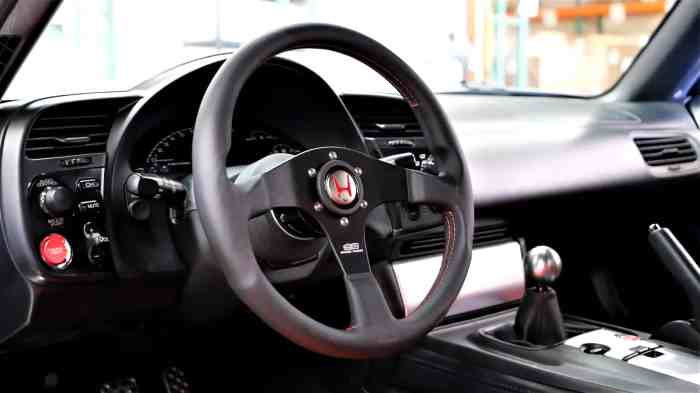
The ability to personalize a vehicle is a core tenet of automotive enthusiasm, extending beyond paint colors and upholstery to the very point of control: the steering wheel. This customization elevates the driving experience beyond mere functionality, transforming it into a statement of personal style and ergonomic preference. From luxury vehicles to performance-oriented cars, the options for tailoring the steering wheel are vast, reflecting a growing demand for bespoke automotive interiors.
Customization Options: Materials, Shapes, and Stitching
The breadth of steering wheel customization caters to diverse tastes and driving styles. Material choices alone offer a spectrum of options, each with distinct tactile and aesthetic qualities.
- Leather: A classic choice, leather provides a luxurious feel and excellent grip. Various grades, from supple Nappa leather to more durable options, are available, alongside perforations for enhanced breathability.
- Alcantara: Often found in performance vehicles, Alcantara is a synthetic microfiber that offers exceptional grip, especially in high-performance driving scenarios. Its suede-like texture adds a sporty aesthetic.
- Wood: Used primarily in classic and luxury vehicles, wood veneers offer a sophisticated and elegant appearance. Options range from traditional walnut to exotic burl woods, often paired with polished metal accents.
- Carbon Fiber: Favored for its lightweight properties and aggressive aesthetic, carbon fiber is a popular choice for performance cars. It often features a visible weave pattern and contributes to a modern, high-tech look.
- Metal: Aluminum or brushed steel accents can be incorporated for a touch of modern design and enhanced tactile feedback.
Beyond materials, the shape of the steering wheel significantly impacts the driving experience. Common options include:
- Round: The traditional shape, offering a familiar and versatile grip.
- D-shaped: Featuring a flattened bottom, this design provides increased legroom and a sportier feel, commonly found in performance cars.
- Oval: An evolution of the round shape, offering a slightly more ergonomic grip.
- Multi-spoke designs: These designs incorporate multiple spokes, often with integrated controls for audio, cruise control, and other vehicle functions.
Stitching patterns further personalize the steering wheel. Contrasting thread colors, such as red, blue, or white, can be used to accent the leather or Alcantara, creating a visual pop. Stitching styles can range from simple straight stitches to intricate cross-stitching or baseball stitching, each contributing a unique aesthetic element.
Modifying a Steering Wheel: Tools, Techniques, and Advice
Modifying a steering wheel requires careful attention and the right tools. The process varies depending on the level of customization.
- Professional Modification:
- Process: Typically involves removing the existing steering wheel, dismantling it, replacing the core (if changing the shape), reupholstering with the chosen materials, and reassembling.
- Tools: Specialized tools include steering wheel pullers, trim removal tools, and upholstery tools.
- Advice: Professional modification ensures high-quality results and adherence to safety standards. It’s advisable for complex customizations or when working with premium materials.
- DIY Modification:
- Process: Can range from simple re-wrapping of the existing steering wheel to replacing the entire wheel with an aftermarket option.
- Tools: Basic tools include screwdrivers, wrenches, and potentially a steering wheel puller. For re-wrapping, a sewing kit and adhesive may be required.
- Advice: DIY modifications require careful planning and execution. Always disconnect the battery before working on the steering wheel. Ensure that any modifications do not interfere with airbag deployment. Research the specific vehicle model to understand the disassembly and reassembly process.
Safety should always be the priority. Incorrect modifications can compromise the airbag system and potentially cause injury.
Always consult the vehicle’s service manual and, if unsure, seek professional assistance.
Visual Guide: Steering Wheel Designs and Customization
This visual guide presents a variety of steering wheel designs and customization options.
- Classic Round Steering Wheel with Walnut Veneer: This steering wheel features a traditional round shape. The rim is covered in a rich walnut veneer, providing a warm, luxurious feel. Polished chrome accents are present on the spokes, giving it a timeless aesthetic, perfect for a vintage or luxury vehicle.
- Sport Steering Wheel with Alcantara and Red Stitching: This wheel adopts a D-shape design with a flattened bottom. The rim is wrapped in black Alcantara, offering a high-grip surface. The spokes are made of carbon fiber, enhancing the sporty appearance. Bold red stitching runs along the seams, adding a visual contrast and reinforcing the performance-oriented design.
- Modern Steering Wheel with Perforated Leather and Integrated Controls: This steering wheel has a slightly oval shape. The rim is wrapped in black, perforated leather for enhanced grip and breathability. The spokes are finished in brushed aluminum and feature integrated controls for audio, cruise control, and other vehicle functions. The design incorporates a minimalist aesthetic, reflecting a modern approach to vehicle design.
- Custom Steering Wheel with Carbon Fiber and Contrasting Stitching: This steering wheel combines a flat-bottom design with a carbon fiber construction. The visible carbon fiber weave offers a high-tech aesthetic. The stitching is in a contrasting color, such as blue or white, to further personalize the design. This design caters to those seeking a distinctive and high-performance appearance.
Wrap-Up
From the tiller-based systems of the past to the high-tech, feature-rich wheels of the present, the steering wheel’s evolution underscores the dynamic nature of automotive innovation. Its design and functionality continue to be refined, driven by the demands of safety, comfort, and the relentless march toward autonomous driving. As technology progresses, the steering wheel will undoubtedly continue to evolve, shaping the driving experience for years to come, offering a personalized driving experience, and influencing the future of automotive technology.
