
Japanese plant pots, celebrated for their aesthetic appeal, are experiencing a surge in popularity. This exploration delves into the intricate world of “kawaii” design, examining the factors contributing to their enduring charm. From the cultural roots of Japanese aesthetics to the materials and production techniques, we uncover the secrets behind the enduring appeal of these charming containers.
The article will cover various aspects, including the design elements contributing to the perceived cuteness, different types of Japanese plant pots, and the role of online trends in their popularity. The discussion will further investigate the decorative elements used, materials and production processes, ideal pot sizes and proportions, and the selection of plants to complement the aesthetic. Finally, the history, cultural significance, and future trends of these uniquely designed plant pots will be explored.
Defining “Cute” in Japanese Plant Pots
Japanese plant pots, often imbued with a distinct “kawaii” aesthetic, represent a fascinating intersection of design, culture, and consumer preference. This unique approach to cuteness in potted plants transcends mere aesthetics, reflecting deep-seated cultural values and historical influences that are interwoven into the design language. The concept of “kawaii” profoundly shapes the design choices, from the visual characteristics to the color palettes, creating a distinctive visual identity.The Japanese concept of “kawaii,” broadly translated as “cute,” encompasses a range of visual and emotional qualities that are deeply ingrained in Japanese culture.
It’s more than just attractiveness; it evokes feelings of warmth, approachability, and a sense of childlike wonder. This philosophy, deeply rooted in the historical and cultural context of Japan, significantly impacts the design of plant pots.
Visual Characteristics Associated with “Cute”
Japanese aesthetics often prioritize rounded forms, exaggerated features, and playful elements. Plant pots designed with these characteristics frequently feature smooth curves, gentle slopes, and exaggerated proportions. Small, delicate details, like intricate patterns or charming embellishments, also contribute to the overall “kawaii” impression. Examples include pots with animal-like features, such as large, expressive eyes or soft, rounded ears, or those with oversized, whimsical handles.
Design Elements Contributing to Perceived Cuteness
Several design elements are employed to create the perceived cuteness in Japanese plant pots. These elements frequently include simplified shapes, oversized features, and the use of playful colors. The use of contrasting colors or patterns adds to the appeal. Materials like ceramics, porcelain, and even metal are often crafted to emphasize soft textures and smooth surfaces, contributing to the overall sense of cuteness.
The use of pastel colors and bright, bold hues further enhances the aesthetic. The placement of small details, such as delicate floral motifs or tiny handles, contributes to a feeling of playfulness.
Cultural and Historical Context of “Kawaii”
The concept of “kawaii” has evolved significantly throughout Japanese history. Emerging in the mid-20th century, it gained popularity in the post-war era, becoming a powerful force in fashion, design, and popular culture. It’s deeply rooted in the desire for simplicity and approachability, reflecting a shift in societal values and a desire for optimism and harmony. The influence of anime and manga on popular culture has further cemented the concept of “kawaii” in modern Japanese society.
Common Motifs and Imagery
Numerous motifs and imagery are prevalent in cute Japanese plant pots. These include stylized floral patterns, animal figures, and simplistic yet expressive characters. The use of animals and anthropomorphic characters is common, adding a playful and endearing touch to the pots. Floral motifs often feature delicate and stylized blossoms, evoking a sense of serenity and natural beauty.
The use of Japanese calligraphy or traditional art forms also adds a unique cultural touch.
Role of Color Palettes in Conveying Cuteness
Color palettes play a crucial role in conveying cuteness within Japanese plant pots. Soft pastels, such as light pinks, blues, and yellows, are frequently used to create a sense of warmth and approachability. The use of vibrant, yet still soft, colors further contributes to the overall “kawaii” appeal. Contrasting colors are used to highlight specific design elements, further emphasizing the playful nature of the pot.
A combination of these palettes creates a visually appealing and engaging design.
Different Types of Japanese Plant Pots
Japanese plant pots, renowned for their aesthetic appeal and cultural significance, come in a diverse array of styles and materials. Beyond the inherent “cuteness” factor, these variations reflect historical traditions and contemporary design sensibilities, impacting the overall visual impact and the experience of nurturing plants within. Understanding these distinctions is crucial for appreciating the full spectrum of Japanese plant pot artistry.Beyond mere containers, Japanese plant pots are imbued with cultural meaning.
The choice of material, design, and even color often conveys specific intentions, enriching the horticultural experience. The visual impact of a pot is closely linked to its construction and aesthetics. Different materials evoke different feelings and lend unique characteristics to the overall design, influencing the perceived cuteness.
Ceramic Plant Pots
Ceramic pots are a cornerstone of Japanese plant pot traditions. Their versatility allows for intricate designs and the incorporation of glazing techniques. A wide spectrum of colors and patterns, from muted earth tones to vibrant hues, is characteristic of ceramic pots. The material itself, often fired at high temperatures, contributes to the pot’s durability and longevity. Traditional designs frequently feature subtle motifs, reflecting Japanese artistic sensibilities.
Contemporary ceramic pots often embrace bold patterns and colors, demonstrating a dynamic interplay between tradition and innovation. The inherent warmth and texture of ceramic pots contribute significantly to their perceived cuteness.
Porcelain Plant Pots
Porcelain, with its delicate and refined nature, provides another distinct option for Japanese plant pots. The translucent quality of porcelain often enhances the plant’s visual appeal. The smooth surface of porcelain lends itself to elegant designs, including subtle embellishments and intricate details. Traditional porcelain pots often feature subdued colors and simple forms, embodying a sense of understated elegance. Contemporary designs often embrace innovative glazing techniques and bold shapes, reflecting a modern approach to aesthetics.
The delicate, refined appearance of porcelain pots enhances their perceived cuteness.
Stoneware Plant Pots
Stoneware pots, renowned for their robust and earthy aesthetic, often mimic the appearance of natural stone. Their strength and durability make them ideal for various plant types. The texture of stoneware can range from rough and textured to smooth and polished, each contributing to a unique visual appeal. Traditional stoneware pots often feature muted earth tones, evoking a sense of tranquility and grounding.
Contemporary designs frequently embrace rustic elements and incorporate glazes that emphasize the natural grain of the material, creating a visual connection with nature. The sturdy, natural appearance of stoneware pots often contributes to their perceived sturdiness and, in a way, cuteness.
Table: Different Types of Japanese Plant Pots
| Type | Material | Features | Typical Aesthetics |
|---|---|---|---|
| Ceramic | Clay | Versatile, intricate designs, glazing | Warmth, texture, variety of colors and patterns |
| Porcelain | Fine clay | Delicate, translucent, smooth surface | Elegance, understated beauty, subtle embellishments |
| Stoneware | Clay | Robust, durable, earthy | Rustic, natural, muted tones, natural grain emphasis |
Cuteness in Plant Pot Decoration
Beyond the functional role of holding plants, Japanese plant pots often become miniature works of art, meticulously crafted to evoke a sense of charm and delight. This aesthetic consideration extends beyond simple form and incorporates a rich tapestry of decorative elements, contributing significantly to the overall “cute” perception. The careful selection of patterns, colors, and textures, often with symbolic meaning, plays a pivotal role in the captivating appeal of these pots.The decorative elements on Japanese plant pots are not merely superficial embellishments; they are integral to the pot’s character and emotional resonance.
The careful integration of these features creates a visual harmony that resonates with the concept of “kawaii,” exuding a sense of charm, playfulness, and aesthetic pleasure. This is achieved through a meticulous consideration of shape, color, and pattern, often drawing inspiration from nature, folklore, and traditional Japanese aesthetics.
Common Decorative Elements
The use of intricate patterns, vibrant colors, and textured surfaces is prevalent in cute Japanese plant pots. These elements contribute significantly to the pots’ overall “kawaii” aesthetic. Common decorative elements include hand-painted designs, glazed patterns, and the incorporation of natural materials like wood or bamboo. The aesthetic aim is to create a visual experience that evokes a sense of warmth, intimacy, and playfulness.
Symbolism and Meaning
Decorative elements frequently hold symbolic significance within Japanese culture. For instance, floral motifs often represent beauty, prosperity, and the cyclical nature of life. Similarly, animal motifs might symbolize good luck or particular virtues. These subtle cues enhance the emotional depth of the pot, transforming it from a mere container into a piece of art with a deeper cultural narrative.
The use of these symbolic elements adds another layer to the “cute” aesthetic, enriching its meaning and appeal.
Contribution to the “Cute” Aesthetic
The carefully chosen decorative elements, coupled with the pot’s size and shape, contribute significantly to the overall “cute” aesthetic. For instance, small, meticulously detailed pots with pastel colors and whimsical designs are frequently perceived as “cute.” The delicate balance between the size of the pot and the intricate design creates a harmonious visual experience that is inherently appealing.
Examples of Patterns, Colors, and Textures
A range of patterns, colors, and textures are commonly used in cute Japanese plant pots. Floral patterns, particularly cherry blossoms, are extremely popular, symbolizing beauty and renewal. Pastel colors like light pink, lavender, and mint green are frequently employed to create a sense of sweetness and playfulness. Textures like intricate carvings, subtle glazing, or the use of natural materials like wood shavings are also commonly seen.
The specific combination of these elements can significantly alter the perception of the pot’s overall “cute” aesthetic.
Effect of Size and Shape on Aesthetics
The size and shape of the pot significantly influence its perceived “cuteness.” Small, compact pots with rounded edges or whimsical shapes often exude a stronger sense of charm and playfulness. Larger pots, while still capable of being “cute,” might emphasize different aspects of the aesthetic, such as elegance or a sense of scale. The proportions between the size of the pot and its decorative elements are key in determining the overall effect.
A perfectly proportioned pot can heighten the charm, whereas an imbalance can detract from the aesthetic appeal.
Materials and Production
Japanese plant pots, prized for their aesthetic appeal and craftsmanship, often embody a unique blend of functionality and artistry. The choice of materials and the meticulous production techniques contribute significantly to the “cute” factor, reflecting a deep-seated cultural appreciation for beauty and design. The careful consideration of these elements elevates the simple act of planting into a more engaging and enjoyable experience.
Common Materials
The selection of materials for crafting cute Japanese plant pots is crucial. Ceramic, renowned for its versatility and ability to hold shape, is a popular choice. The firing process allows for intricate designs and subtle color variations, adding to the overall appeal. Wood, with its natural textures and warmth, offers a different aesthetic, often emphasizing the organic beauty of the plant.
Metal, with its modern, sleek feel, complements contemporary design preferences. Each material evokes a distinct aesthetic, and the choice often aligns with the intended design and the overall aesthetic the pot is meant to project.
Production Techniques
The techniques employed in crafting these pots directly influence the final aesthetic. Hand-building techniques, prevalent in ceramic and some wood creations, often result in unique, organic shapes and textures. Molding, particularly in mass-produced ceramic pots, allows for more uniform shapes and quicker production. Glazing techniques are essential in ceramic production, offering a spectrum of colors and finishes, from matte to glossy.
The meticulous application of these techniques and the level of skill involved often contribute significantly to the “cute” factor.
Craftsmanship and Skill
The production of high-quality, cute Japanese plant pots demands significant craftsmanship and skill. Experienced potters meticulously shape the clay, meticulously controlling the firing process, and skillfully applying glazes. Carving and incising techniques are often employed to create intricate designs. The skill of the artisan directly impacts the aesthetic appeal and the overall “cute” factor. A skilled potter’s attention to detail and ability to convey the desired aesthetic are paramount in the finished product.
Quality Control
Maintaining the “cute” factor in these pots hinges on rigorous quality control. This includes ensuring the materials meet specific standards for color, texture, and durability. Close monitoring of the production process, from the initial shaping to the final glazing, is essential. Inspectors examine each pot to identify any imperfections, ensuring the desired level of aesthetic quality is met.
The level of detail in quality control often directly correlates with the perceived value and cuteness of the pot.
Materials Comparison
| Material | Aesthetic Appeal | Durability | Pros | Cons |
|---|---|---|---|---|
| Ceramic | High | Medium | Versatile, intricate designs, color variations | Prone to chipping, breakage |
| Wood | High | High | Natural textures, warm aesthetic | Susceptible to moisture damage, potentially more expensive |
| Metal | Medium to High | High | Modern, sleek design, durable | May not have the same level of intricacy as ceramic, potentially more expensive |
The table above highlights the relative aesthetic appeal and durability of different materials used in crafting Japanese plant pots. The choice of material ultimately depends on the desired aesthetic, the intended use, and the budget.
Cute Plant Pot Sizes and Proportions
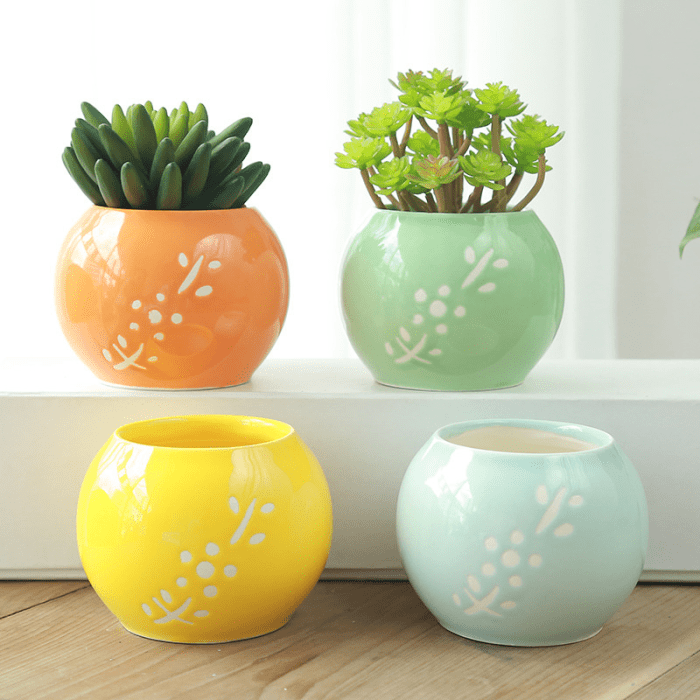
Japanese plant pots, renowned for their aesthetic appeal, often hinge on subtle design elements for achieving cuteness. Beyond the materials and decorations, pot size and proportion play a critical role in evoking a sense of charm. The ideal proportions aren’t universally defined but rather depend on the intended effect and the specific plant type. This interplay between size and visual impact is key to the overall aesthetic.
Defining Ideal Proportions
The ideal proportions for a cute Japanese plant pot often involve a harmonious balance between the pot’s height, width, and depth. A pot that’s too tall or too squat can detract from its perceived cuteness, while a pot with a well-considered ratio of these dimensions can enhance the overall visual appeal. Furthermore, the shape of the pot, whether rounded, angular, or asymmetrical, contributes significantly to the sense of cuteness.
The subtle curvature of a rounded pot, for instance, often evokes a sense of playfulness and charm.
Influence of Size on Perception of Cuteness
The size of a plant pot significantly impacts its perceived cuteness. Smaller pots, often characterized by delicate shapes and intricate details, can evoke a sense of playfulness and charm. Conversely, larger pots, particularly those with bolder shapes and proportions, can exude a sense of robustness and stability. The specific size will depend on the desired aesthetic and the plant being housed.
For example, a miniature pot might be perfect for a delicate succulent, while a larger pot might be better suited to a more robust flowering plant.
Relationship Between Pot Size and Plant Type
The choice of plant pot size directly relates to the type of plant it’s designed for. A small, delicate pot is likely to be more appropriate for a miniature succulent or a bonsai, enhancing their perceived charm. Larger pots, on the other hand, might be better suited to a flowering plant or a leafy foliage plant, showcasing their full form and providing adequate space for growth.
Consideration should be given to the plant’s root system and future growth requirements.
How Pot Shape Enhances or Detracts from Cuteness
The shape of the pot can significantly impact its perceived cuteness. A pot with a rounded shape often evokes a sense of playfulness and charm, while an angular shape might convey a more modern or sophisticated aesthetic. Asymmetry can introduce an element of surprise and visual interest, making the pot more captivating. The choice of shape should be carefully considered in relation to the desired overall aesthetic and the type of plant it will house.
Table of Pot Sizes and Suggested Plant Types
The following table provides a general guideline for selecting plant pots based on size and the types of plants they would best complement.
| Pot Size (Approximate Dimensions) | Suggested Plant Types | Notes |
|---|---|---|
| Small (4-6 inches diameter, 4-6 inches height) | Succulents, air plants, miniature bonsai | Ideal for showcasing delicate plant forms. |
| Medium (6-8 inches diameter, 6-8 inches height) | Small flowering plants, ferns, small shrubs | Provides adequate space for moderate growth. |
| Large (8-10 inches diameter, 8-10 inches height) | Larger flowering plants, foliage plants, small trees | Suitable for plants with more extensive root systems. |
Online Market Trends
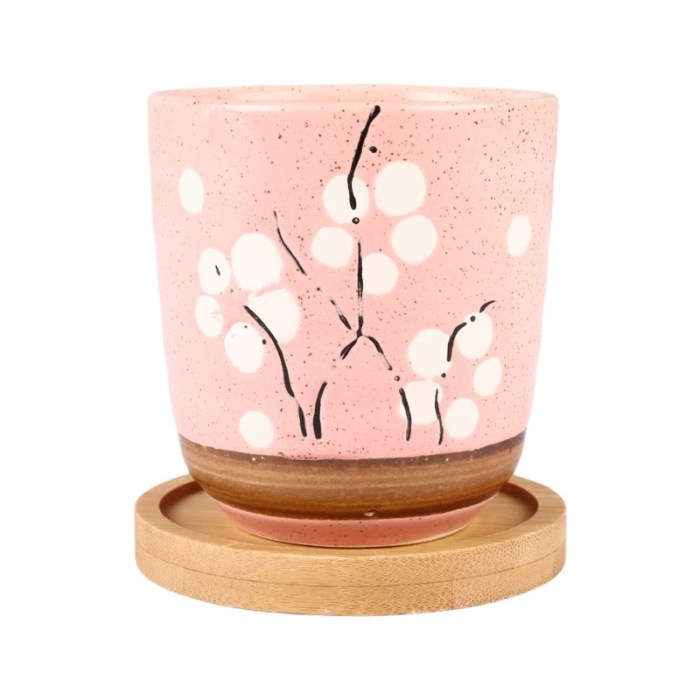
The burgeoning market for cute Japanese plant pots online reflects a broader trend of consumer interest in aesthetically pleasing home décor. This interest extends beyond practicality, encompassing a desire for items that evoke a sense of joy and well-being. The online platform provides a convenient space for this aesthetic to flourish, facilitating access to diverse product offerings and driving sales through targeted marketing strategies.
Current Online Trends
The online market for cute Japanese plant pots showcases a dynamic range of trends. Emphasis on minimalist designs with clean lines, often featuring pastel colors and whimsical shapes, remains prominent. The integration of digital tools like augmented reality (AR) filters for virtual plant pot displays is gaining traction, allowing consumers to visualize the pots in their homes before purchase.
Furthermore, the use of interactive online platforms and social media campaigns drives sales and fosters a sense of community among enthusiasts.
Factors Contributing to Popularity
Several factors contribute to the escalating popularity of these items. The aesthetic appeal, often tied to traditional Japanese design principles, resonates with a broad consumer base seeking a sense of tranquility and harmony. The portability of online shopping, combined with a curated selection of unique and adorable designs, makes these pots attractive to those seeking unique home decor items.
The ability to connect with online communities, sharing ideas and fostering a sense of belonging, further enhances the appeal. The growing popularity of sustainable practices and eco-conscious consumerism influences the demand for pots crafted from environmentally friendly materials.
Target Demographics
The demographic most likely to purchase these items is broad, encompassing millennials and Gen Z consumers who appreciate aesthetics and are active on social media. This includes design enthusiasts, plant lovers, and individuals seeking to elevate their home decor. The diverse range of designs and price points allows for appeal across various income levels. Additionally, these pots are often associated with home organization and well-being, making them attractive to those focused on creating calming living spaces.
Role of Social Media
Social media platforms play a pivotal role in promoting these products. Visual platforms like Instagram and Pinterest serve as showcases for the pots’ charm, highlighting their aesthetic appeal through high-quality imagery and engaging content. Influencer marketing campaigns featuring these items effectively reach target audiences, amplifying their appeal and fostering a desire for acquisition. Furthermore, user-generated content, including photos and videos of the pots in various settings, builds trust and social proof, motivating potential buyers.
Online Retailer Marketing Strategies
Online retailers leverage various strategies to market these products effectively. These include detailed product descriptions highlighting the unique design elements and materials. High-quality images and videos showcase the pots’ appeal from multiple angles, providing potential buyers with a comprehensive understanding of the product. Interactive elements like AR displays or virtual staging tools empower consumers to visualize the pots in their homes, leading to higher conversion rates.
Targeted advertising campaigns on social media and relevant online platforms further reach the desired demographic. Moreover, retailers often collaborate with relevant influencers and curate collections to appeal to specific interests, generating buzz and driving sales.
Combining Cute Pots with Plants
The burgeoning market for “cute” Japanese plant pots presents a unique challenge: harmonizing the aesthetic appeal of the pot with the thriving life of the plant. This delicate balance requires careful consideration of plant selection, pot size, and overall design. The right combination can elevate the pot from a simple container to a captivating piece of home decor.Choosing plants that complement the “cute” aesthetic is paramount.
This involves understanding the inherent characteristics of both the pot and the plant. A delicate, miniature pot, for example, might best suit a similarly compact plant, while a larger, more robust pot could accommodate a more substantial specimen.
Plant Selection for Cute Pots
The selection of plants should reflect the overall “cute” aesthetic of the pot. Small, delicate plants like succulents, miniature ferns, or certain types of bonsai are often ideal choices for smaller pots. Larger pots can accommodate more substantial plants, such as small flowering plants or certain types of air plants. Color and foliage texture also play crucial roles.
A vibrant, flowering plant will significantly enhance the visual appeal of a brightly colored pot. Consider the foliage shape and density; a plant with dense, full foliage might contrast sharply with a more minimalist pot design.
Impact of Plant Size and Color
Plant size and color significantly influence the overall aesthetic of the pot. A small plant in a large pot can appear lost or undersized, whereas a large plant in a small pot may overwhelm the design. Likewise, the color of the plant should complement the pot’s color and design. A vibrant, bold plant color can create a striking contrast, while a muted, softer color can create a more harmonious look.
For example, a pastel-colored pot might be best paired with a similarly colored or muted-toned plant to create a serene, unified visual theme.
Plant Care and Aesthetic Appeal
Maintaining the aesthetic appeal of the potted plant is as crucial as choosing the right plant. Regular watering, appropriate sunlight exposure, and pest control are essential to keep the plant healthy and vibrant. This ensures the plant continues to thrive and doesn’t wilt or show signs of distress, thus maintaining the overall aesthetic of the entire arrangement. Neglecting plant care can quickly detract from the carefully crafted visual theme.
Design Tips for Showcasing Plants
Design tips for showcasing the plants within the pots are crucial to achieving a cohesive visual theme. Positioning the plant within the pot is important; consider whether the plant should be centered, placed off-center, or allowed to spill over the edges of the pot. The arrangement should complement the pot’s shape and size. Accessories such as decorative pebbles, small figurines, or even strategically placed lighting can add depth and visual interest to the display.
Creating a cohesive visual theme for the pot and plant is about achieving a harmonious balance between the pot, the plant, and any additional decorative elements.
Creating a Cohesive Visual Theme
A cohesive visual theme is essential for elevating the pot and plant arrangement beyond a simple display. This involves carefully considering the color palette, shape, and overall aesthetic of both the pot and the plant. Consider using complementary colors to create a unified and visually appealing design. Repeating shapes and patterns in the pot and plant arrangement can create a visually interesting and unified look.
For instance, a pot with a geometric design might be best paired with a plant that has a similar geometric shape to the foliage. A minimalist pot, on the other hand, might look best paired with a plant that has a natural, unadorned aesthetic.
History and Cultural Significance
Japanese plant pots, far from mere containers, are deeply intertwined with the nation’s aesthetic sensibilities and cultural ethos. Their evolution reflects a continuous dialogue between practicality and artistic expression, mirroring the broader cultural values that have shaped Japan’s identity. This historical context provides crucial insight into the enduring appeal of “cute” in Japanese plant pots, revealing a nuanced interplay of tradition and contemporary trends.The history of Japanese plant pots isn’t simply about materials and design; it’s about a philosophy of appreciation for nature’s beauty, integrated with meticulous craftsmanship and a profound respect for aesthetics.
This approach profoundly influences the way Japanese people interact with their environment and how they express themselves through the objects they create and use.
Evolution of Design
The development of Japanese plant pots mirrors the evolution of Japanese aesthetics itself. Early examples often showcased functionality, using simple, unglazed earthenware. Gradually, the sophistication of the design increased, incorporating intricate patterns and refined glazes. The introduction of porcelain, for example, allowed for greater artistic expression, with intricate detailing and delicate forms emerging as distinct features. This evolution also reflected the changing social and economic landscapes of Japan.
Role of Aesthetics in Japanese Culture
Aesthetics, or
- wa*, plays a central role in Japanese culture. It’s not simply about beauty, but about harmony, balance, and a sense of serenity. This concept manifests in various aspects of Japanese life, from the arrangement of tea ceremonies to the design of gardens. The principles of
- wa* are deeply ingrained in the creation and appreciation of Japanese plant pots, guiding their design and function. A sense of tranquility and beauty are prioritized in every detail, including the subtle variations in form and color.
Cultural Beliefs and Practices
Traditional Japanese beliefs often associate plants with prosperity, good fortune, and longevity. Certain plants, such as bamboo and cherry blossoms, hold specific symbolic meanings, and their presence in homes and gardens is often intentional, aiming to invoke a sense of positive energy and well-being. The choice of a plant pot, therefore, extends beyond mere practicality; it becomes a deliberate statement reflecting personal values and beliefs.
For example, the selection of a pot shape can subtly communicate a specific meaning to those observing it.
Influence of Traditional Art Forms
Japanese art forms, such as calligraphy, painting, and ceramics, have profoundly influenced the design of plant pots. The emphasis on minimalism, symmetry, and the use of natural materials in these art forms are frequently echoed in plant pot design. The meticulous attention to detail and the subtle use of color, often inspired by nature, are further examples of the profound impact of these art forms.
For instance, the aesthetic principles of
shohin*, or miniature landscape gardening, have influenced the design of small plant pots, emphasizing the appreciation of the miniature and subtle.
Historical Context of the “Cute” Aesthetic
The concept of “cute,” or
- kawaii*, in Japan has a rich history, evolving from a simple aesthetic preference to a powerful cultural force. Early forms of
- kawaii* were often associated with childlike qualities, emphasizing innocence, playfulness, and charm. This concept was gradually integrated into various aspects of Japanese culture, including fashion, toys, and, eventually, plant pots. The integration of
- kawaii* into plant pot design showcases the adaptability and versatility of this aesthetic concept, making it suitable for various purposes. The modern expression of
- kawaii* in plant pots is an evolution of centuries-old traditions, emphasizing an emotional connection with the object.
Future Trends
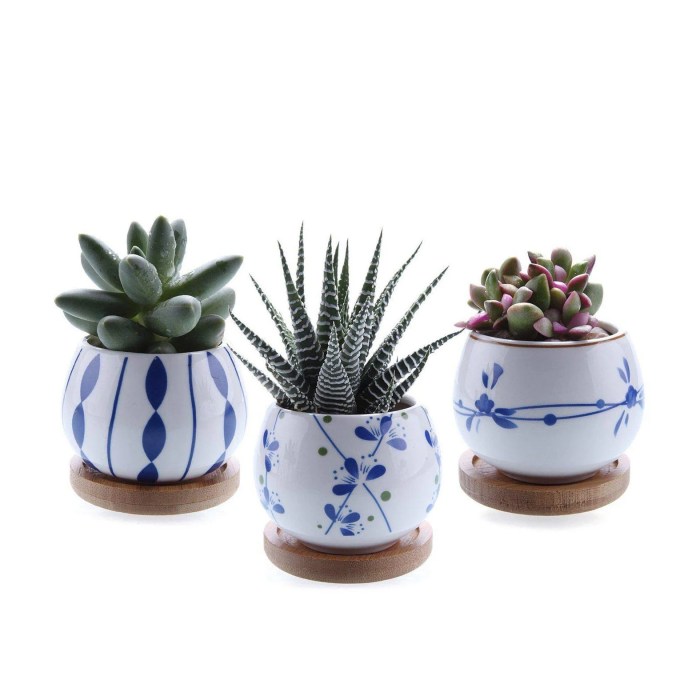
The burgeoning market for cute Japanese plant pots is poised for continued growth, driven by evolving consumer preferences and technological advancements. Designers are increasingly exploring innovative materials and production techniques, while digital platforms and social media continue to shape consumer trends. This dynamic environment promises exciting new avenues for creativity and customization, further fueling the popularity of these charming home accessories.
Emerging Materials and Design Approaches
The search for sustainable and aesthetically pleasing materials is driving innovation. Recycled materials, like repurposed wood or metal scraps, are gaining traction, reflecting a growing consumer awareness of environmental responsibility. Furthermore, bio-based plastics and innovative ceramic glazes with unique textures are being explored, offering both visual appeal and eco-consciousness. 3D printing is enabling the creation of intricate and personalized designs, allowing for customized shapes and intricate details previously unattainable.
Influence of New Technologies on Production
Automation and digital design tools are streamlining production, enabling the creation of high-quality, affordable plant pots. Computer-aided design (CAD) software facilitates intricate and customized designs. Additive manufacturing, like 3D printing, is enabling rapid prototyping and personalized designs, allowing for more intricate and unique shapes, as well as faster turnaround times. Digital marketing and e-commerce platforms are crucial in reaching wider audiences and enabling direct sales to consumers.
Potential Collaborations Between Design Disciplines
Cross-disciplinary collaborations between ceramicists, industrial designers, and botanical experts are leading to innovative pot designs. These collaborations are creating pots that not only enhance the visual appeal of plants but also support their growth. The expertise of botanical scientists can inform the design of drainage systems and pot shapes that maximize plant health, while industrial designers can create functional and aesthetically pleasing designs.
Promotional Campaign for a New Line of Cute Japanese Plant Pots
A promotional campaign for a new line of cute Japanese plant pots could leverage social media and influencer marketing. A strong visual identity, emphasizing the unique design and materials, is essential. The campaign could feature user-generated content, encouraging customers to share photos of their plants in the pots. Collaborations with popular plant influencers on Instagram and TikTok would help reach a wider audience.
A limited-edition collection, showcasing unique designs or collaborations with artists, would generate excitement and exclusivity. The campaign could also feature interactive elements on social media, such as polls and quizzes to engage followers and encourage interaction. This multifaceted approach would promote brand awareness, build community, and drive sales.
Concluding Remarks
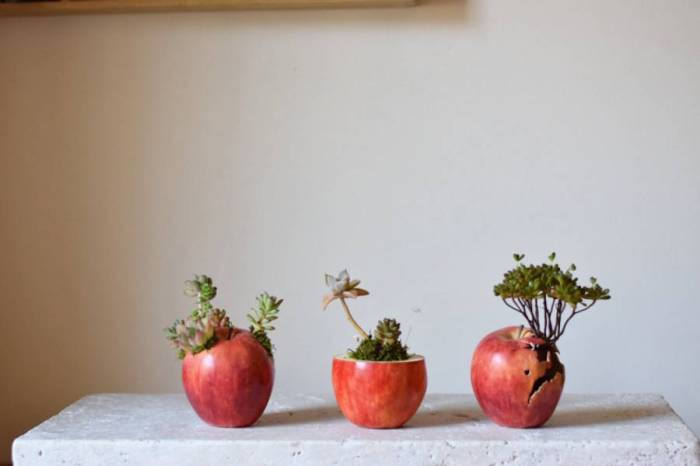
In conclusion, the enduring appeal of Japanese plant pots lies in their harmonious blend of cultural aesthetics, meticulous craftsmanship, and the carefully considered combination of materials, sizes, and plant selection. The continued evolution of this design tradition, fueled by online trends and cultural influences, promises a captivating future for these beloved containers.
